
Guitar Tone on a Budget: Where Your Money Actually Changes Your Sound
Chasing the perfect guitar tone can feel like a bottomless money pit, especially for indie artists. This guide cuts through the hype to show you exactly where smart spending makes a real, audible difference and where you can save your hard-earned cash.
Forget the endless gear videos showing off boutique amps you can’t afford and pedals that cost more than your rent; as an independent artist, your budget is real, and every dollar has to count. When it comes to guitar tone, there are definitely places where your money makes a profound, undeniable difference, and plenty of places where it’s just noise. Let’s focus on the former, because dialing in your sound doesn't have to break the bank, but it does require strategic thinking.
The Foundation: Your Guitar and Its Pickups
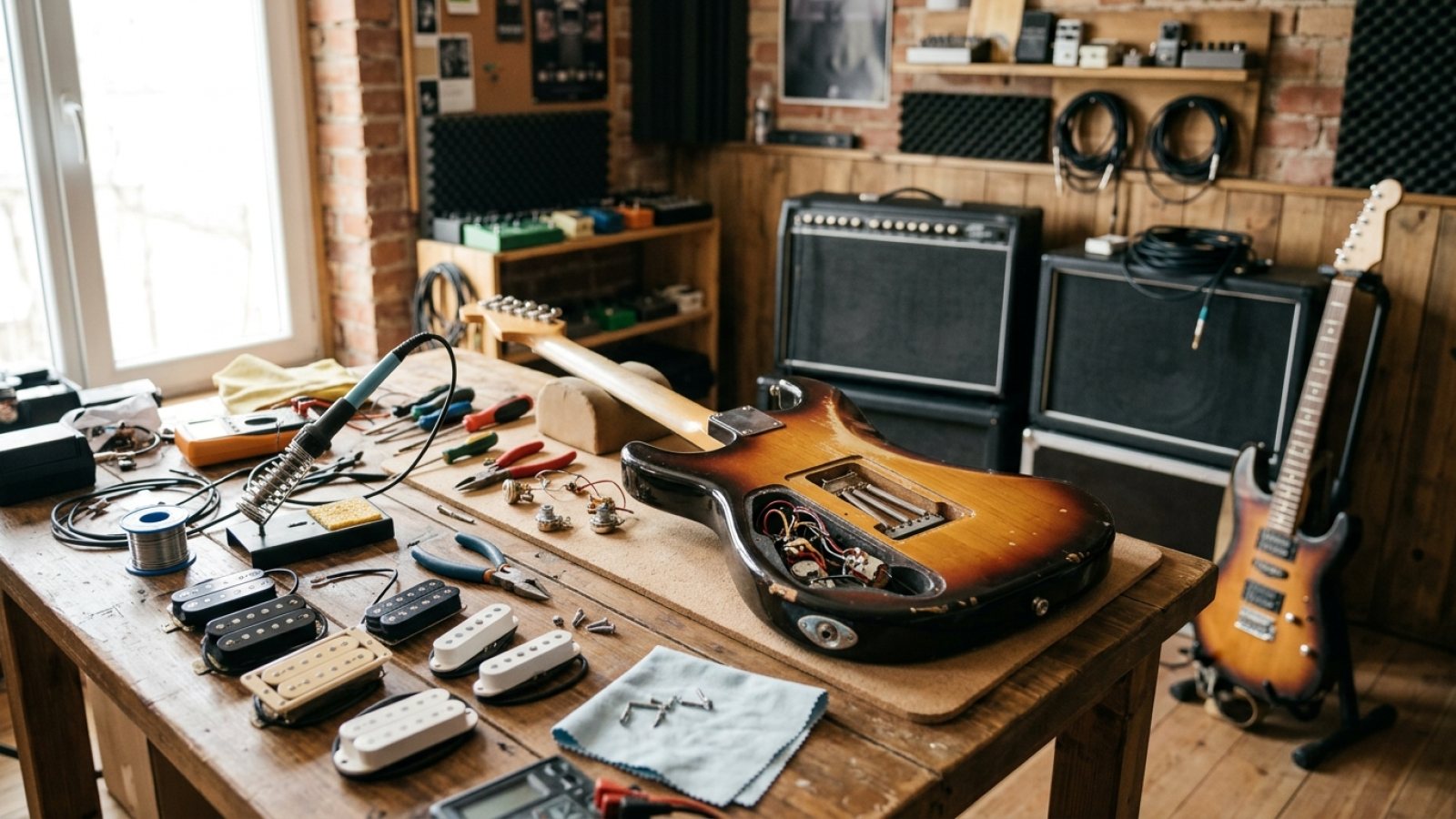
Your guitar's fundamental sound starts with the wood, construction, and most critically, its pickups. While an expensive, vintage axe certainly has its charm, a well-built, mid-range guitar (often found used at a steal) can be a fantastic platform. The biggest bang for your buck on the instrument itself usually comes from a pickup upgrade. Think of pickups as the microphone for your strings – they translate physical vibrations into an electrical signal. Cheap, stock pickups often sound muddy, thin, or just lifeless.
Swapping out pickups can utterly transform a budget guitar. Reputable brands like Seymour Duncan, DiMarzio, and even GFS (GuitarFetish) offer a wide range of humbuckers, single-coils, and P90s that can give you clarity, punch, warmth, or aggression, depending on your style. This isn't just a subtle tweak; it's a fundamental change to the character and output of your instrument. A new set of quality pickups can run you anywhere from $100-$300, plus installation if you’re not handy with a soldering iron, but it's an investment that pays dividends in every single note you play.
The Amplifier: The True Voice of Your Instrument
If pickups are the microphone, your amplifier is the loudspeaker, and it's where a huge portion of your tonal identity comes from. This is not a place to skimp if you're serious about your sound. Tube amps are revered for their warmth, dynamic response, and natural breakup, but they can be expensive and require maintenance. However, you don't need a 100-watt stack for small rooms or studio work. Smaller tube amps like a Fender Blues Junior, a Vox AC15, or an Orange Rocker 15 are fantastic, gig-worthy options that offer true tube tone without needing to be cranked to ear-splitting volumes. These are often available used for solid prices.
Alternatively, modern modeling amps have come light-years in terms of sound quality and versatility. Brands like Boss with their Katana series, Line 6 Catalyst, or Fender Mustang offer excellent digital recreations of classic amps and effects. They’re fantastic for home recording, silent practice with headphones, and often powerful enough for smaller gigs, all at a fraction of the cost and maintenance of tube amps. For many independent artists, a quality modeling amp offers the flexibility and consistency needed to cover various styles and venues without breaking the bank. The money spent here directly impacts the core character, volume, and response of your entire signal chain.
Speakers: The Unsung Heroes of Amp Tone
Within your amplifier or cabinet, the speakers are arguably as important as the amp's circuitry itself – and often overlooked. A speaker swap can be the single most dramatic tonal change you can make to an existing amp. If you love your amp's head or its preamp section, but the stock speakers leave something to be desired, a high-quality replacement from companies like Celestion, Eminence, or Jensen can open up new sonic possibilities: more pronounced mids, tighter bass, smoother highs, or increased sensitivity.
It's like getting a completely different amplifier for a fraction of the cost of buying a new one. This is a place where a relatively modest investment (typically $75-$200 per speaker) can yield incredible returns in clarity, projection, and overall tonal refinement. Don't underestimate the impact of moving from a generic stock speaker to something purpose-built for the sound you're chasing.
Power Supplies and Cables: The Invisible Essentials
You’ve invested in decent pickups, a good amp, and perhaps upgraded speakers. Don't let cheap power supplies and flimsy cables undermine it all. A noisy, unregulated power supply for your pedalboard can introduce hum, hiss, and general sonic interference. Investing in a quality isolated power supply from brands like Voodoo Lab, MXR, or Strymon ensures clean, consistent power to your pedals, letting them perform at their best.
Similarly, while you don’t need to spend hundreds on boutique cables, stepping up from the cheapest, flimsiest instrument and speaker cables to a mid-range, well-shielded option (e.g., Mogami, Planet Waves, Ernie Ball) will significantly reduce signal loss, noise, and potential onstage failures. Your tone flows through these, and if they’re compromised, so is your sound. These are not glamorous purchases, but they are crucial infrastructure for a reliable, professional tone.
Ultimately, your hands, your ears, and your practice routine are the most important elements of your tone. But when it comes to gear, focus your budget on the core components that truly shape the sound: quality pickups, a solid amplifier (or modeling solution), upgraded speakers, and clean power/cables. This strategic approach ensures every dollar you spend contributes meaningfully to your signature sound.
