
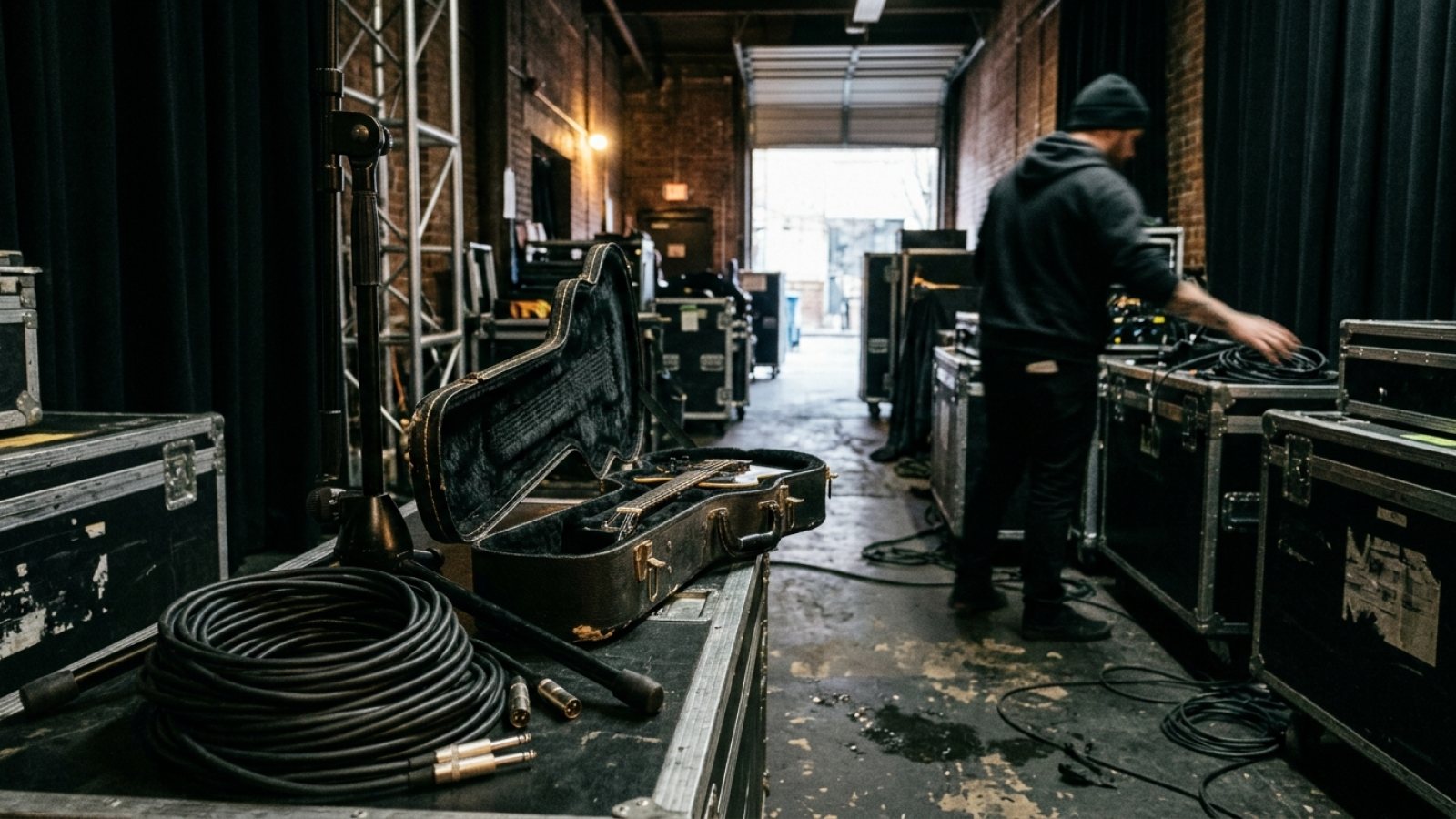
Road-Ready Rig: Stage Gear That Survives the Grind (Cables, Stands & Hard-Won Lessons)
For independent artists constantly on the move, gear failure isn't just an inconvenience—it's a gig killer, a reputation dent, and a financial drain. This guide cuts through the noise to show you which cables, stands, and cases are worth the investment for a truly roadworthy setup.
When you’re an independent artist, every gig is a battle, and your gear is your armor. But cheap cables fray, flimsy stands collapse, and inadequate cases leave your instruments exposed. The road is a relentless testing ground, and if your equipment isn't built to last, you’ll spend more time troubleshooting and replacing than playing.
The Unsung Heroes: Cables That Last
Cables are the lifelines of your sound. Don't skimp here. A single bad instrument cable can introduce noise, drop signal, or cut out entirely, ruining a performance and frustrating sound engineers. The Artist Developer reminds us, "You might think you're saving a few bucks on that no-name cable, but the sound engineer calling out your intermittent signal mid-set will cost you more than that premium cable ever would. Invest in reliability; it's part of your professional reputation."
What to look for: Heavy-gauge copper conductors, robust shielding (braided or spiral), and high-quality connectors. For instrument cables, brands like Mogami, Canare, and Evidence Audio are trusted for their durability and pristine signal. Look for Neutrik or Switchcraft connectors on XLR and instrument cables—they handle countless plugs and unplugs without failing. For power cables, opt for thicker gauges and ensure the connectors fit snugly. Always carry a few spares of each type of cable you use.
Roadworthy habits: The "over-under" coiling method is non-negotiable. It prevents twisting, kinking, and internal damage, extending cable life tenfold. Use velcro cable ties, not electrical tape, for neat storage. Label your cables with colored tape or permanent markers, especially if you have several of the same length or type.
Stands That Don't Fall Apart (or Over)
Microphone stands, guitar stands, keyboard stands—they’re all subjected to bumps, jostles, and rapid setups/teardowns. A wobbly mic stand during a vocal performance is unprofessional, and a fallen guitar can mean costly repairs. Prioritize stability and robust construction.
What to look for: For microphone stands, choose heavy-duty models with cast-iron or weighted bases, not flimsy tripod legs with plastic clamps. K&M (König & Meyer) stands are a professional standard, known for their all-metal construction and durable clutches. For guitar stands, Hercules stands offer excellent stability with their auto-grip system, preventing your instrument from accidental falls. Avoid anything with significant plastic components in critical joints or bases; they will inevitably crack or strip.
Roadworthy habits: Always check the tightness of all joints before and after packing. Don't overtighten, which can strip threads, but ensure everything is snug. Position stands carefully on stage to minimize tripping hazards. When packing, collapse them fully and secure any moving parts to prevent rattling and damage during transport.
Your Gear's Bodyguards: Cases & Bags
This is where your investment is truly protected. Carrying your amplifier in a bare truck bed or your precious pedals in a backpack is asking for trouble. Good cases and bags are a non-negotiable part of road life.
What to look for: For instruments, a hardshell case (Gator, SKB, Hiscox) is ideal for guitars, basses, and larger keyboards, especially if flying or entrusting to venue staff. They protect against impacts, temperature changes, and moisture. For pedalboards, dedicated hard or soft cases (Pedaltrain with its accompanying soft case, or a hardcase from a brand like Gator) keep everything secured and pre-wired for quick setup. For smaller items like microphones, cables, and accessories, padded gig bags (Mono, Reunion Blues) offer good protection for local gigs and fit easily into crowded vehicles. Look for robust zippers, strong handles, and ample, quality padding.
Roadworthy habits: Custom-cut foam inserts for delicate electronics can make a huge difference. Ensure everything is packed snugly, with no room for shifting. If using soft bags, stack them carefully to avoid crushing. Always label your cases clearly with your band's name and contact information. Consider using color-coded tape or spray paint on cases to easily identify them among other bands' gear.
Hard-Won Lessons from the Road
Beyond the gear itself, preparedness is your greatest asset. Maintain a "gig bag" with essential tools and spares: a multitool, a roll of electrical tape, gaffer tape, a flashlight, spare batteries for pedals/wireless units, and an extra set of strings. Before every show, do a quick visual inspection of your most critical gear: cables for kinks, stands for loose screws, cases for cracks.
Investing in reliable, durable stage gear isn't a luxury; it's a strategic move for any independent artist. It saves you money in the long run by reducing replacements, prevents embarrassing onstage failures, and signals professionalism to venues and audiences alike. Prioritize quality over cheap alternatives, learn proper handling techniques, and you'll build a rig that stands up to the demands of the road, night after night.
